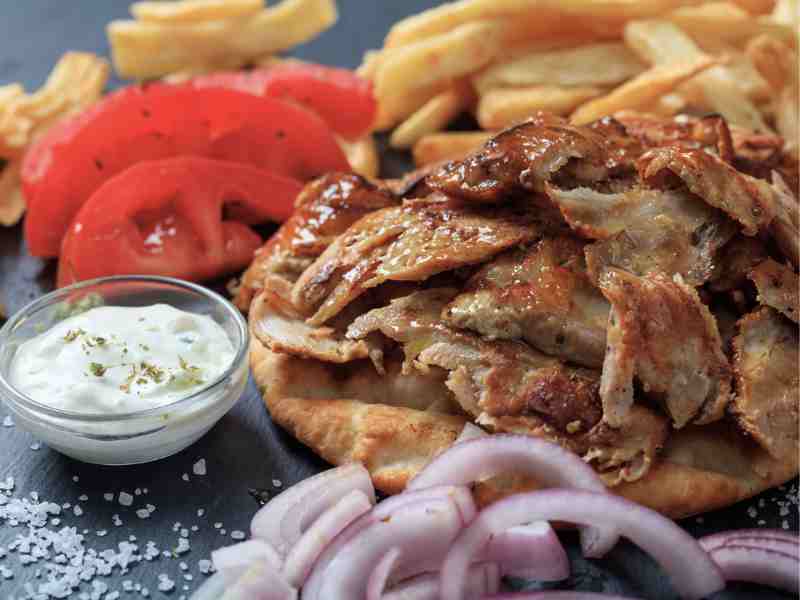
Beyond the Aegean: Recreating Greek Street Food Magic with Homemade Gyros
Imagine yourself transported to a bustling Athenian street corner, the evening air thick with the intoxicating aroma of sizzling spiced meat, fresh herbs, and warm bread. That unmistakable scent is the promise of authentic gyros – a culinary revelation for anyone who’s experienced the real deal. For too long, many of us have settled for imitations, those sad takeout wraps that barely whisper of the genuine article. But what if we told you that the secret to those juicy, crispy-edged gyros, cradled in pillowy pita with a generous dollop of creamy tzatziki, isn't confined to a vertical rotisserie in Greece? You can unlock the true magic of **homemade gyros** right in your own kitchen. This comprehensive guide will show you how to capture that elusive taste and texture, turning a seemingly complex street food into a joyous, achievable home cooking triumph.
The Allure of Authentic Homemade Gyros: Why Do It Yourself?
The journey to mastering homemade gyros often begins with a memory – a backpacking trip, a sun-drenched holiday, or simply a yearning for flavors that transport you. My own quest started after a midnight street cart encounter in Athens, where the sight of the vendor expertly slicing meat and the explosion of flavors in that first bite left an indelible mark. For years, nothing back home compared. This yearning is precisely why embracing homemade gyros is so rewarding.
Firstly, **control is king**. When you make gyros at home, you dictate the quality of your ingredients, from the cuts of meat to the freshness of your herbs and vegetables. You can fine-tune the spice blend to your exact preference, ensuring every mouthful sings with the aromatic blend of oregano, garlic, and cumin that defines authentic Greek flavor. This level of customization simply isn't possible with pre-made or restaurant versions.
Secondly, there's an immense sense of satisfaction in recreating a beloved dish from scratch. It demystifies what often seems like an impossibly complex culinary feat. Forget the specialized equipment; we'll focus on traditional techniques adapted for the home kitchen, proving you don't need a vertical rotisserie to achieve perfectly caramelized meat with incredibly juicy interiors and irresistibly crispy edges. The aroma alone, filling your kitchen as these gyros cook, is enough to justify the effort – it's an immediate, delicious trip to the Mediterranean.
Crafting the Perfect Gyro Meat: The Heart of Your Feast
The foundation of any great gyro is, of course, the meat. Traditionally, gyros are made with pork, chicken, or a mix of lamb and beef. For a truly rich, flavorful, and juicy **homemade gyros** experience, a blend of pork shoulder and pork belly (as often seen in authentic Greek preparations) is ideal. The pork shoulder provides a robust base, while the pork belly introduces a crucial fat content that renders beautifully, ensuring the meat stays incredibly moist and flavorful during cooking.
The Secret to Rotisserie-Like Texture at Home
Without a vertical rotisserie, how do we achieve that signature dense, thinly sliced texture? The secret lies in forming your seasoned meat mixture into a compact loaf. This isn't just any meatloaf; it needs to be tightly packed to mimic the compressed layers of meat on a rotisserie spit. Grinding your own meat or having your butcher do a coarse grind for the pork shoulder and pork belly is highly recommended for superior texture.
The spice blend is paramount. A classic Greek gyro seasoning typically includes:
- Dried Oregano: The quintessential Greek herb, providing an earthy, slightly bitter note.
- Garlic Powder: For a deep, pungent flavor that permeates the meat.
- Ground Cumin: Adds a warm, slightly peppery depth.
- Smoked Paprika: For a touch of smoky flavor and beautiful color.
- Fresh Thyme: A subtle, earthy counterpoint.
Don't forget salt, pepper, and a touch of granulated sugar to aid in caramelization, plus a splash of white distilled vinegar, which not only tenderizes but also brightens the overall flavor. Mix all ingredients thoroughly, ensuring even distribution, then press the mixture firmly into a loaf pan or shape it freehand.
The cooking process involves two crucial stages:
- Roasting: Begin by roasting the meat loaf in the oven at a moderate temperature. This cooks the meat through evenly, allowing the fats to render and infuse the loaf with flavor.
- Broiling: Once cooked, thinly slice the loaf (this is key!) and then crisp the slices under a hot broiler or in a cast-iron pan. This step is where the magic happens, developing those beautifully caramelized exteriors and perfectly crispy edges that contrast wonderfully with the juicy interior. For a deeper dive into making the meat, including specific ratios for a no-rotisserie approach, check out Authentic Homemade Gyros: No Rotisserie Needed.
The Essential Supporting Cast: Creamy Tzatziki and Pillowy Pita
No gyro is complete without its signature accompaniments. They are not merely sidekicks but integral players that elevate the entire experience.
The Cool, Tangy Embrace of Tzatziki
Tzatziki is the creamy, cooling counterpoint to the warm, spiced meat. Its simplicity belies its profound impact. The key to perfect tzatziki is using thick, full-fat Greek yogurt – the thicker, the better. This prevents a watery sauce. Grated cucumber must be thoroughly squeezed to remove excess moisture; otherwise, your tzatziki will be runny. Beyond yogurt and cucumber, the essential ingredients include:
- Fresh Garlic: Lots of it! Minced or grated, for that characteristic pungent kick.
- Fresh Dill: Non-negotiable for its bright, grassy, slightly anise-like flavor.
- Extra Virgin Olive Oil: A drizzle for richness and smooth texture.
- A Splash of White Wine Vinegar or Lemon Juice: To add a tangy zing.
Allow your tzatziki to chill for at least an hour for the flavors to meld beautifully.
The Perfect Pita: Your Edible Cradle
The pita bread serves as the soft, pillowy canvas for all these incredible flavors. While making pita from scratch (which involves yeast, flour, water, salt, and olive oil) is incredibly rewarding and ensures ultimate freshness, a good quality store-bought pita can certainly suffice. The trick is to warm it properly – a quick pass in a hot, dry skillet, a few seconds in the microwave, or a brief stint in the oven will make it soft and pliable, ready to lovingly cradle your gyro fillings. If you're ready to embrace the challenge of
Mastering Homemade Gyros: Pita, Meat & Tzatziki from Scratch, you'll find even more detailed guidance.
And let's not forget the fresh vegetables! Crisp, vibrant red tomatoes and bright green cucumbers, thinly sliced or diced, add essential freshness and crunch. Red onion, finely sliced, offers a pleasant bite and sharpness.
Assembling Your Greek Street Food Masterpiece
The beauty of **homemade gyros** also lies in their versatility and ease of preparation once the components are ready. The meat loaf and tzatziki can be prepared a day in advance, making this an excellent option for entertaining or for a quick weeknight meal.
When it's time to assemble:
- Warm your pita bread until soft and pliable.
- Spread a generous layer of creamy tzatziki across the pita.
- Pile on the thinly sliced, crispy-edged gyro meat.
- Top with your fresh vegetables – tomatoes, cucumbers, and red onion are classic.
- Optionally, add a sprinkle of fresh parsley or a dash of paprika for garnish.
Fold it up and savor the moment. The contrast of the cool, tangy tzatziki with the warm, spiced meat, the crunch of fresh vegetables, and the soft embrace of the pita is what defines the authentic gyro experience. Serve with a simple Greek salad or some crispy fries for a complete street food feast.
Bringing the vibrant flavors of Greek street food into your home kitchen is a deeply satisfying endeavor. From the rich, aromatic meat to the refreshing tzatziki and soft pita, every element contributes to a symphony of tastes and textures. Making **homemade gyros** not only empowers you to control the quality and flavor but also offers that incredible feeling of creating something truly special. Trust me, once you experience that first authentic bite, you'll wonder why you ever settled for anything less. So, roll up your sleeves, gather your ingredients, and prepare to be transported to the sunny streets of Greece, one delicious bite at a time.