Authentic Homemade Gyros: No Rotisserie Needed
Imagine sinking your teeth into tender, spiced meat, boasting beautifully caramelized edges and an impossibly juicy interior, all nestled in warm, pillowy pita bread. Swirls of creamy, garlicky tzatziki coolly contrast with vibrant tomatoes and crisp cucumbers, creating a symphony of flavors that instantly transports you to the bustling streets of Athens. This isn't just a fantasy; it's the reality of truly authentic homemade gyros, and the best part? You don't need any special equipment or a vertical rotisserie to achieve this culinary masterpiece in your own kitchen.
For many, the idea of making gyros at home seems daunting, conjuring images of professional kitchen setups. But what if we told you that recreating that magical Greek street food experience is not only possible but incredibly rewarding? This comprehensive guide will demystify the process, showing you how to capture the very essence of traditional gyros using clever home-cooking techniques. Get ready to elevate your culinary game and impress your taste buds with a dish that rivals any takeout.
The Secret to Authentic Homemade Gyros (No Rotisserie Required)
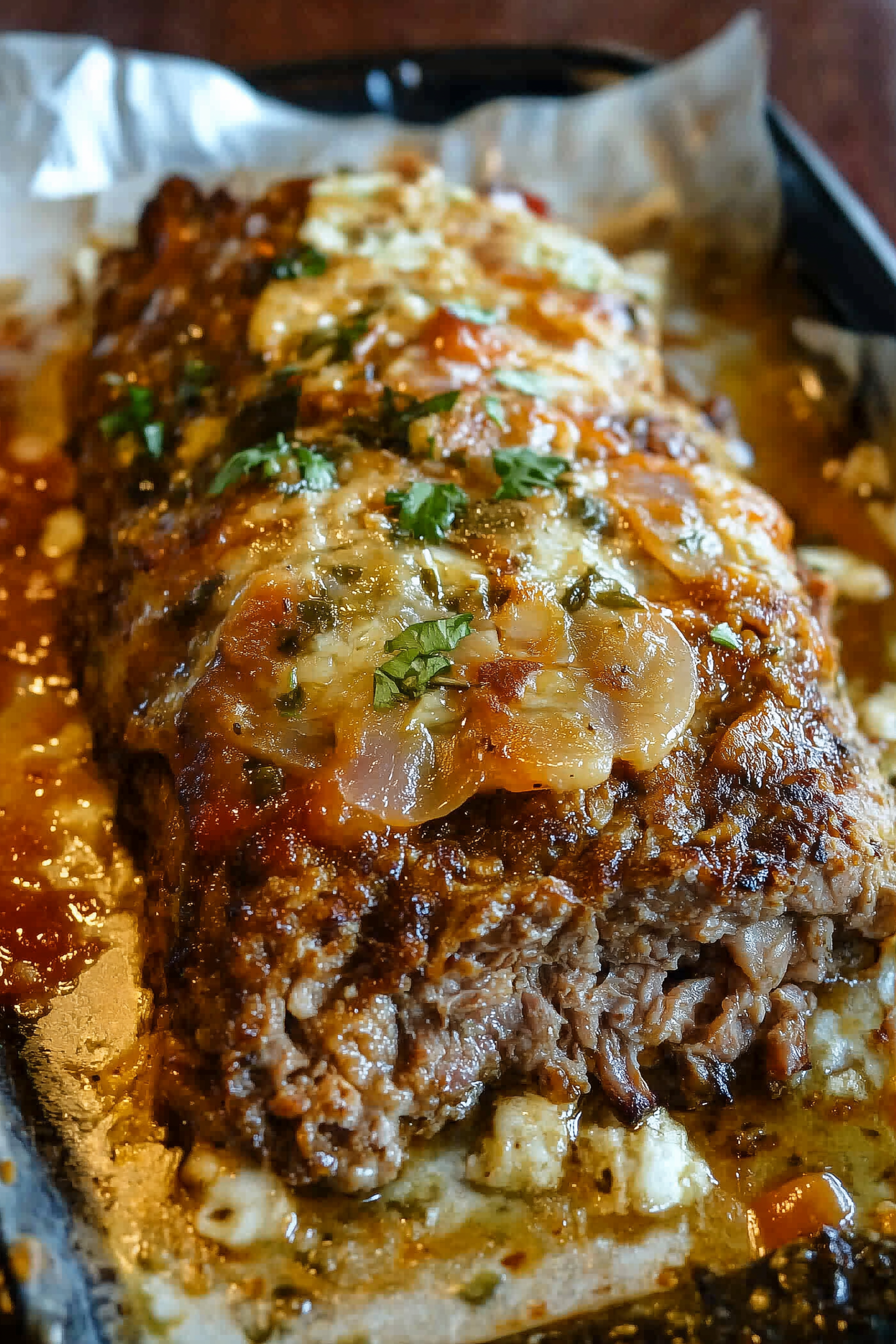
The defining characteristic of traditional gyros is the way the meat is cooked: slowly roasted on a vertical spit, allowing it to self-baste and develop those irresistible crispy, caramelized edges as it's shaved off. Replicating this without a rotisserie requires a smart adaptation, and the key lies in transforming your meat mixture into a dense "loaf" or log.
This ingenious method, perfected through countless culinary experiments, involves finely processing and tightly packing a blend of seasoned meats. Once formed, this meatloaf is slow-roasted in your oven. This initial roasting ensures the meat cooks through evenly, retaining its incredible juiciness, much like the slow cooking on a spit. The real magic happens next: after roasting, the loaf is thinly sliced, and these slices are then quickly seared or broiled. This final step is crucial, as it develops those coveted grill marks, crispy edges, and deep caramelization that are the hallmark of authentic gyros. It's a brilliant workaround that leverages common kitchen tools to achieve spectacular results, proving that authentic flavor and texture are attainable for any home cook.
Crafting the Perfect Gyro Meat: Blend, Season, and Transform
The heart of any great gyro is its meat, and for our homemade gyros, we're aiming for a mixture that delivers both flavor and the right texture. While traditional gyros often use a mix of pork, lamb, or beef, a combination of pork shoulder and pork belly is particularly fantastic for home preparation. Pork shoulder provides a solid, lean base, while the pork belly introduces crucial fat, ensuring the meat remains incredibly moist and flavorful during cooking.
Choosing and Preparing Your Meat
- Meat Selection: A blend of 3-4 lbs boneless pork shoulder and 1.5 lbs skin-off pork belly is ideal. The fat from the pork belly renders down, infusing the lean shoulder with moisture and richness, mimicking the self-basting action of a rotisserie. You can also experiment with ground lamb or a beef-lamb mixture for a different flavor profile.
- Finely Processed Texture: For that compressed, almost emulsified texture similar to rotisserie gyros, the meat needs to be very finely ground. If you're starting with whole cuts, cube them and run them through a meat grinder or use a food processor in batches until the mixture is almost pasty. This fine texture is essential for a cohesive loaf that slices beautifully.
The Essential Spice Blend
A good homemade gyro relies heavily on its aromatic foundation. The right balance of spices will transport your taste buds straight to the Mediterranean. Our blend draws inspiration from classic Greek flavors, creating an intoxicating aroma that fills your kitchen.
- Core Spices: Generous amounts of dried oregano, garlic powder, and ground cumin form the backbone. These create the classic savory, earthy, and aromatic profile.
- Flavor Enhancers: Smoked paprika adds a hint of smoky depth and a beautiful reddish hue. A touch of dried or fresh thyme complements the other herbs.
- Sweetness and Balance: A small amount of granulated sugar helps with caramelization during the broiling phase and balances the savory notes.
- Seasoning & Tenderizing: Kosher salt is vital for flavor, and a few tablespoons of white distilled vinegar not only add a characteristic tang but also help to slightly tenderize the meat, contributing to that juicy texture.
Mix all these ingredients thoroughly with your finely processed meat until everything is well combined. Then, it's crucial to pack the mixture very, very tightly into a loaf pan. This density is what allows the meat to hold its shape and mimics the compressed structure of rotisserie gyros. For best results, prepare the meat mixture a day ahead and let it chill in the fridge. This allows the flavors to meld and the loaf to firm up, making it easier to slice. Discover more about perfecting the meat and other components in our article on Mastering Homemade Gyros: Pita, Meat & Tzatziki from Scratch.
The Irresistible Tzatziki and Fresh Toppings
No gyro is complete without its cooling, creamy accompaniments. The interplay of warm, spiced meat with cool, fresh ingredients is what makes gyros so utterly addictive.
The Perfect Tzatziki
Tzatziki isn't just a sauce; it's an essential flavor component that provides a bright, refreshing counterpoint to the rich meat. The beauty of homemade tzatziki is its unparalleled freshness and customizability.
- Thick Greek Yogurt: This is non-negotiable. Use full-fat Greek yogurt for the best texture and richness.
- Grated Cucumber: English or Persian cucumbers work best. Grate them and, here's the critical step: squeeze out as much excess water as possible. This prevents a watery tzatziki that can make your pita soggy.
- Fresh Garlic and Dill: Generous amounts of minced fresh garlic are a must for that classic pungent kick. Fresh dill adds a unique herbaceous, slightly anisy note.
- Finishing Touches: A drizzle of good quality extra virgin olive oil, a splash of white vinegar or fresh lemon juice for acidity, and a pinch of salt to taste.
Mix everything together and allow it to chill for at least an hour, or even overnight. This lets the flavors meld and deepen.
Crisp and Vibrant Toppings
The fresh vegetables add crucial texture, color, and a burst of freshness. Classic toppings include:
- Ripe Tomatoes: Sliced or diced, their sweetness and acidity are essential.
- Crisp Red Onion: Thinly sliced for a sharp, pungent bite.
- Refreshing Cucumbers: Extra slices of fresh cucumber for crunch.
- Optional Additions: Kalamata olives, a sprinkle of crumbled feta cheese, or even some finely chopped fresh parsley can add extra layers of flavor.
For more detailed insights into perfecting these elements, check out Greek Street Food at Home: Juicy Gyros, Crispy Edges, & Creamy Tzatziki.
Assembling Your Greek Masterpiece
With your perfectly cooked meat, creamy tzatziki, and fresh toppings ready, the final step is to bring it all together into a glorious gyro.
- Warming the Pita: Soft, warm, and pillowy pita bread is key. Lightly brush store-bought pita with water and warm it in a dry skillet, in the oven, or microwave until pliable. If you're ambitious, making homemade pita truly elevates the experience.
- Slicing and Crisping the Meat: Once your meatloaf is roasted (typically 60-90 minutes at 300-325°F/150-160°C, reaching an internal temperature of 165°F/74°C), let it rest for 10-15 minutes. Then, using a sharp knife, slice it as thinly as possible. Arrange these slices on a baking sheet and broil for a few minutes per side, or pan-fry them in a hot skillet, until they develop those beautifully caramelized, crispy edges. This is where the magic happens – those coveted textures that are the hallmark of true gyros.
- Building Your Gyro: Lay a warm pita flat. Spread a generous layer of tzatziki down the center. Pile on the crispy, spiced meat. Top with fresh tomatoes, red onion, and cucumbers. Fold or roll up the pita, securing it with a piece of parchment paper or foil if serving to guests.
Don't be shy with the tzatziki; its cooling creaminess perfectly balances the warm, spiced meat, creating an explosion of flavors in every bite.
Conclusion
Making authentic homemade gyros without a rotisserie is not just achievable; it's an incredibly satisfying culinary journey. By understanding the fundamentals of meat preparation, seasoning, and applying clever home-kitchen techniques, you can recreate that unmistakable Greek street food magic right in your own home. The aroma that fills your kitchen, the beautiful presentation, and most importantly, the incredible taste of your very own creation, will make you question why you ever ordered takeout. So, ditch the delivery menu, gather your ingredients, and embark on your own culinary adventure. You'll be rewarded with a dish that's not only delicious but also a testament to your newfound skill in demystifying a seemingly complex classic.